


Water based paint is a type of coating that uses water as the main solvent. Compared with traditional solvent based coatings, it is more environmentally friendly and healthy. The following is a detailed introduction about water-based paint:
1. Ingredients
The main components of water-based paint include:
Water: As a solvent, it replaces organic solvents in traditional coatings.
Resin: Provides film-forming properties for coatings, commonly including acrylic resin, polyurethane resin, etc.
Pigments: provide color and coverage.
Additives: such as leveling agents, defoamers, etc., used to improve the construction performance and final effect of coatings.
2. Environmental friendliness
The environmental friendliness of water-based paint is mainly reflected in the following aspects:
Low VOC emissions: VOCs (volatile organic compounds) are the main pollutants in traditional coatings, and water-based paints have extremely low VOC content, reducing their harm to the environment and human health.
Non irritating odor: Due to the absence or minimal presence of organic solvents, water-based paint has almost no irritating odor during construction.
3. Application Fields
Waterborne paint is widely used in the following fields:
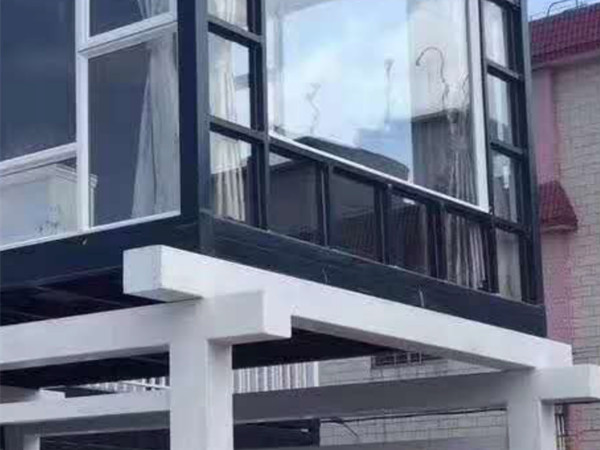
Architectural coatings: used for decoration and protection of walls, ceilings, etc.
Wood coatings: used for painting wooden products such as furniture and flooring.
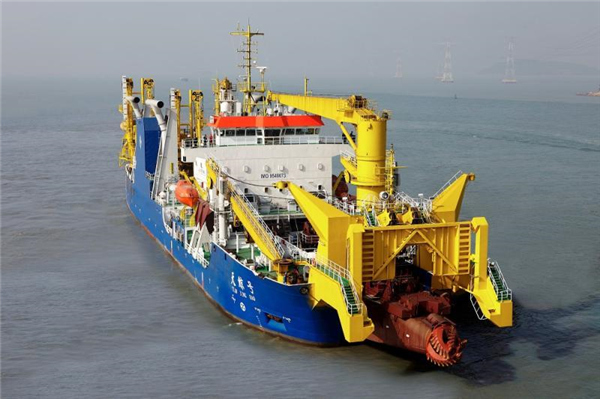
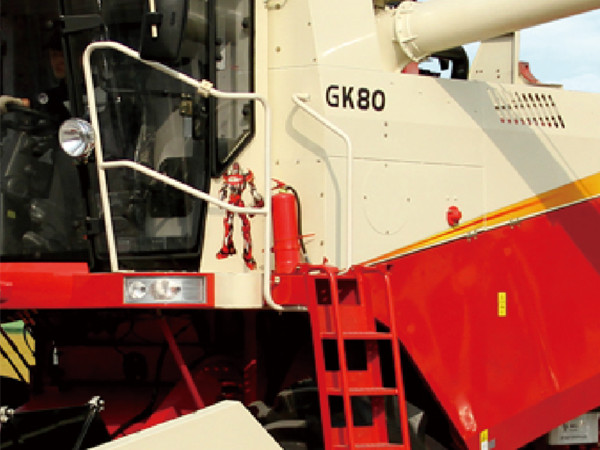
Metal coating: used for rust prevention and decoration on metal surfaces.
Automotive paint: used for painting the body and components of automobiles.
4. Advantages
Environmental Health: Low VOC emissions, reducing harm to the environment and human health.
Convenient construction: Diluted with water, easy to clean tools.
Fast drying: Usually dries faster than solvent based coatings.
Good breathability: suitable for humid environments, not prone to foaming and peeling.
5. Disadvantages
High cost: Compared to traditional solvent based coatings, water-based paints usually have higher costs.
Limited weather resistance: In some extreme environments, the durability of water-based paints may not be as good as solvent based coatings.
High construction requirements: There are high demands for substrate treatment and construction environment.
6. Development Trends
With the increasingly strict environmental regulations and the improvement of consumer environmental awareness, the market share of water-based paint is gradually expanding. In the future, water-based paint is expected to replace traditional solvent based coatings in more fields and become the mainstream product in the coating industry.